
Sports are often seen as physical activities focused on fitness, competition, and winning. However, their impact goes far beyond physical strength. Sports play a powerful role in shaping personal character. Through training, competition, and teamwork, individuals learn values and habits that stay with them for life.
Understanding how sports shape personal character helps explain why sports are encouraged in schools, communities, and families worldwide. In this article, we explore the key character traits developed through sports and why they matter beyond the field.
What Is Personal Character?
Personal character refers to the values, attitudes, and behaviors that define how a person acts and responds to situations. It includes honesty, discipline, resilience, respect, and responsibility.
Character shapes:
- How people handle success
- How they respond to failure
- How they treat others
- How they face challenges
Sports provide real-life situations where character is tested and developed.
Why Sports Are Powerful Character Builders
Sports create structured challenges.
Sports environments offer:
- Clear rules
- Goals and expectations
- Success and failure
- Team interaction
These conditions naturally encourage character growth.
1. Sports Build Discipline
Discipline is a core character trait.
Athletes learn discipline by:
- Following training schedules
- Practicing consistently
- Respecting rules
Discipline learned in sports transfers to school, work, and daily life.
2. Sports Teach Responsibility
Responsibility is learned through commitment.
Athletes are responsible for:
- Showing up on time
- Preparing properly
- Supporting teammates
This sense of responsibility strengthens maturity.
3. Sports Develop Resilience
Failure is part of sports.
Resilience is built through:
- Losing games
- Facing tough opponents
- Recovering from mistakes
Athletes learn to bounce back stronger after setbacks.
4. Sports Encourage Honesty and Integrity
Fair competition requires integrity.
Sports teach:
- Playing by the rules
- Accepting decisions
- Avoiding cheating
Integrity builds trust and self-respect.
You Can Also Read: sportsmanship matters more than winning
5. Sports Build Confidence
Confidence grows through achievement.
Confidence comes from:
- Skill improvement
- Overcoming challenges
- Contributing to a team
Sports help individuals believe in themselves.
6. Sports Teach Respect for Others
Respect is essential in competition.
Athletes learn to respect:
- Teammates
- Opponents
- Coaches and officials
Respectful behavior reflects strong character.
7. Sports Improve Emotional Control
Emotions run high in sports.
Athletes learn to:
- Manage anger
- Handle pressure
- Stay focused
Emotional control strengthens decision-making.
8. Sports Teach Teamwork and Cooperation
Character includes how people work with others.
Teamwork teaches:
- Cooperation
- Trust
- Communication
These skills support healthy relationships.
9. Sports Encourage Patience and Persistence
Progress takes time.
Athletes learn:
- Improvement is gradual
- Effort matters
- Giving up slows growth
Persistence builds long-term success.
10. Sports Teach Accountability
Actions have consequences.
Accountability includes:
- Accepting mistakes
- Learning from feedback
- Taking ownership
Accountability strengthens integrity.
11. Sports Develop Leadership Qualities
Leadership begins with behavior.
Sports encourage leadership by:
- Leading by example
- Supporting teammates
- Making responsible decisions
Strong leaders often emerge from sports backgrounds.
12. Sports Build Humility
Winning teaches humility.
Athletes learn to:
- Respect opponents
- Avoid arrogance
- Appreciate teamwork
Humility balances confidence.
13. Sports Encourage Goal Setting
Goals guide growth.
Athletes learn to:
- Set realistic goals
- Track progress
- Stay motivated
Goal-setting supports discipline and focus.
14. Sports Shape Moral Decision-Making
Sports create ethical choices.
Athletes face decisions about:
- Fair play
- Respect
- Honesty
Making the right choices builds moral character.
15. Sports Prepare Individuals for Life Challenges
Life mirrors sports challenges.
Sports prepare people to:
- Handle pressure
- Manage competition
- Accept success and failure
These lessons last a lifetime.
Character, Awareness, and Personal Growth
Understanding character development requires reflection and awareness. Platforms like
barthinfos encourage thoughtful insight, ethical awareness, and informed perspective—qualities that align closely with recognizing how sports influence personal character.
Individual Sports Also Shape Character
Team sports are not the only teachers.
Individual sports develop:
- Self-discipline
- Independence
- Personal accountability
Character growth happens in all forms of sport.
The Role of Coaches and Mentors
Coaches shape character.
Positive coaching includes:
- Teaching values
- Encouraging respect
- Supporting growth
Good mentors strengthen character development.
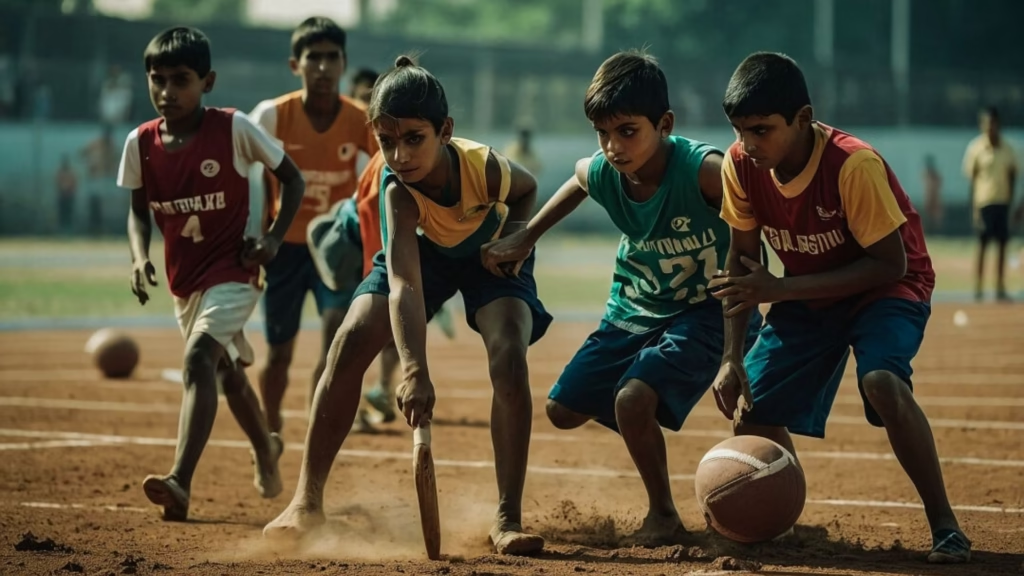
Youth Sports and Character Formation
Character develops early.
Youth sports help:
- Build confidence
- Teach cooperation
- Encourage positive habits
Early exposure shapes future behavior.
Challenges in Character Development Through Sports
Not all environments are positive.
Challenges include:
- Excessive pressure
- Poor role models
- Win-at-all-costs attitudes
Healthy sports culture is essential.
Final Thoughts
Sports shape personal character by teaching discipline, resilience, integrity, respect, and confidence. These qualities develop through everyday training, competition, and teamwork. The lessons learned in sports extend far beyond the field and influence how people live, work, and connect with others.
Winning matters, but character matters more. Sports do not just create athletes—they help create strong, balanced, and responsible individuals.
In the end, the greatest achievement in sports is not trophies, but the character built along the way.