
Winning is often seen as the main goal in sports. Athletes train hard, teams compete fiercely, and fans celebrate victories passionately. While winning feels rewarding, it is not the most important part of sports. Sportsmanship, how players behave, compete, and treat others, matters far more than the final score.
Understanding why sportsmanship matters more than winning helps explain the true purpose of sports. In this article, we explore how respect, integrity, and fair behavior shape character, protect the spirit of competition, and leave a lasting impact beyond trophies.
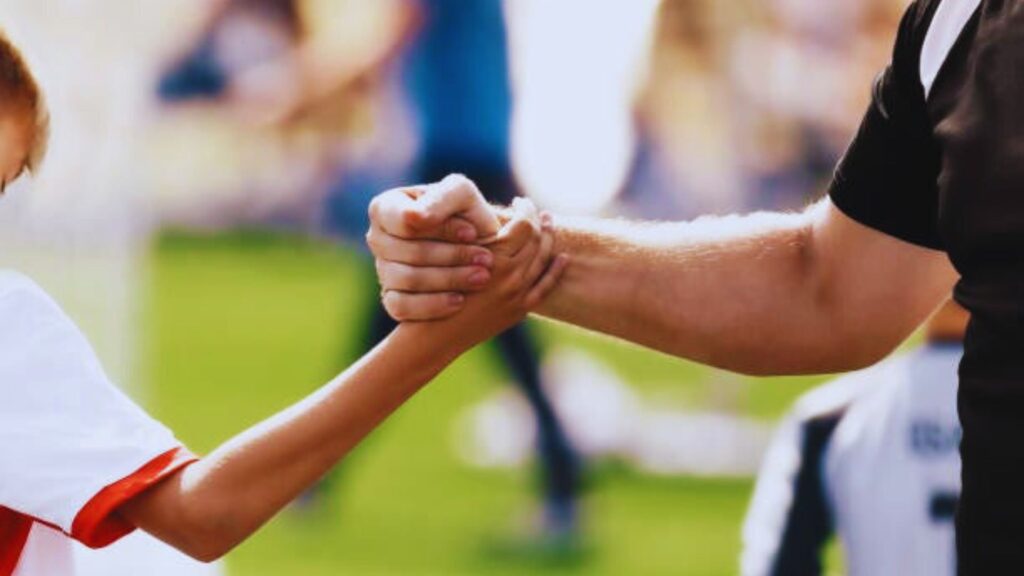
What Is Sportsmanship?
Sportsmanship is the ethical and respectful behavior shown by athletes, coaches, and fans during competition. It reflects how people handle success, failure, and pressure.
Sportsmanship includes:
- Respect for opponents
- Fair play
- Honesty
- Self-control
- Grace in victory and defeat
Good sportsmanship shows character, not just skill.
Why Winning Alone Is Not Enough
Winning without values is empty.
When winning becomes the only focus:
- Cheating increases
- Respect decreases
- Trust is lost
Sports lose their meaning when fairness and respect disappear.
1. Sportsmanship Builds Strong Character
Character is shaped by behavior.
Sportsmanship teaches:
- Integrity
- Humility
- Responsibility
Athletes carry these values into everyday life.
2. Sportsmanship Creates Respect Between Competitors
Respect strengthens competition.
Respectful behavior includes:
- Shaking hands
- Accepting decisions
- Avoiding insults
Respect makes competition healthy and meaningful.
3. Sportsmanship Protects the Integrity of Sports
Integrity gives sports credibility.
Sportsmanship:
- Prevents cheating
- Ensures fair outcomes
- Builds trust
Without integrity, results lose value.
4. Sportsmanship Sets the Right Example for Youth
Young athletes learn by watching.
Positive examples include:
- Fair behavior
- Respectful language
- Emotional control
Sportsmanship shapes future generations.
5. Sportsmanship Teaches How to Handle Loss
Losing is part of sports.
Sportsmanship helps athletes:
- Accept defeat
- Learn from mistakes
- Grow emotionally
Graceful loss builds resilience.
6. Sportsmanship Makes Winning More Meaningful
Winning feels better when earned fairly.
Fair victories:
- Bring pride
- Earn respect
- Feel satisfying
Winning through cheating brings no honor.
7. Sportsmanship Strengthens Team Culture
Team success depends on behavior.
Sportsmanship within teams:
- Builds trust
- Encourages cooperation
- Reduces conflict
Healthy teams value respect over ego.
8. Sportsmanship Encourages Emotional Control
Emotions run high in competition.
Sportsmanship teaches:
- Managing anger
- Staying calm under pressure
- Respecting boundaries
Emotional discipline improves performance and relationships.
9. Sportsmanship Promotes Fair Play and Safety
Unfair play increases risk.
Sportsmanship:
- Reduces dangerous behavior
- Encourages rule-following
- Protects athletes
Safety is a key part of ethical sports.
10. Sportsmanship Builds Long-Term Reputation
Reputation lasts longer than trophies.
Athletes known for sportsmanship:
- Earn respect
- Build positive legacies
- Become role models
Character outlives medals.
11. Sportsmanship Improves Fan Experience
Fans enjoy respectful competition.
Positive sportsmanship:
- Reduces hostility
- Encourages unity
- Creates positive environments
Sports should bring people together.
12. Sportsmanship Applies Beyond Sports
Life reflects sports lessons.
Sportsmanship supports:
- Respect in work
- Fairness in relationships
- Integrity in decisions
The lessons extend far beyond the field.
13. Sportsmanship Supports Mental Well-Being
Ethical behavior reduces stress.
Athletes benefit by:
- Feeling proud of effort
- Avoiding guilt
- Maintaining self-respect
Mental peace matters more than winning.
14. Sportsmanship Encourages Accountability
Actions have consequences.
Sportsmanship requires:
- Accepting responsibility
- Owning mistakes
- Learning from behavior
Accountability strengthens maturity.
15. Sportsmanship Defines True Success
True success is not just winning.
Real success includes:
- Respect
- Integrity
- Positive impact
Sportsmanship defines greatness.
Sportsmanship, Values, and Cultural Awareness
Understanding sportsmanship requires reflection, ethics, and awareness. Platforms like
barthinfos turf promote thoughtful insight, responsible perspective, and ethical awareness—qualities that align closely with valuing sportsmanship over short-term victory.
When Sportsmanship Is Ignored
Ignoring sportsmanship has consequences.
Common problems include:
- Cheating scandals
- Loss of trust
- Negative role models
These harm sports culture long-term.
The Role of Coaches and Officials
Leadership shapes behavior.
Responsible leaders:
- Promote fair play
- Set clear expectations
- Reward respectful behavior
Good leadership reinforces sportsmanship.
The Role of Fans in Promoting Sportsmanship
Fans influence behavior.
Fans should:
- Respect players and officials
- Avoid abusive behavior
- Support fair competition
Positive fan culture supports sportsmanship.
Teaching Sportsmanship to Young Athletes
Early lessons matter.
Youth sports should focus on:
- Respect
- Enjoyment
- Personal growth
Winning should never outweigh values.
Final Thoughts
Sportsmanship matters more than winning because it defines the true spirit of sports. Winning is temporary, but character lasts forever. Respect, integrity, and fair play give sports meaning and purpose.
Athletes may forget scores, but they remember how they were treated. Fans may forget trophies, but they remember moments of respect and grace.
In sports—and in life—how you play matters more than whether you win. Sportsmanship is the real victory.