
News is everywhere today. With smartphones, social media, and online platforms, people are exposed to news every minute. While easy access to information is helpful, it also creates confusion, misinformation, and bias. Not everything labeled as “news” is accurate or trustworthy.
Understanding how to read news critically in the digital age is an essential skill. It helps people stay informed, make better decisions, and avoid being misled. In this article, we explore simple and practical ways to read news with awareness and confidence.
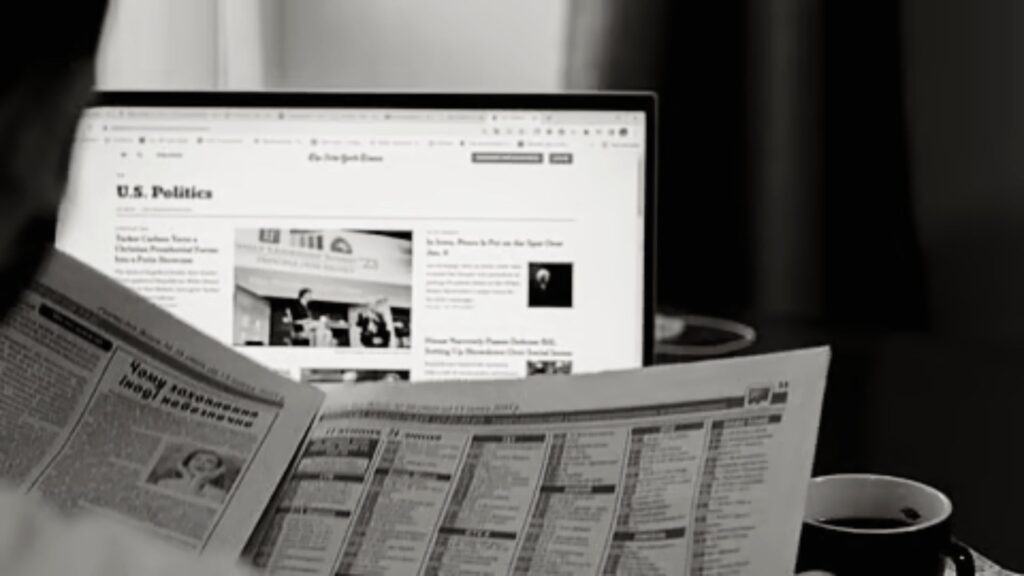
What Does It Mean to Read News Critically?
Reading news critically means thinking carefully about the information presented instead of accepting it immediately as truth. It involves questioning sources, checking facts, and understanding context.
Critical news reading includes:
- Evaluating credibility
- Identifying bias
- Checking sources
- Understanding context
It is about being informed, not influenced.
Why Critical News Reading Matters Today
The digital world moves fast.
Key reasons critical reading is essential:
- News spreads instantly
- Anyone can publish content
- Misinformation travels quickly
- Headlines compete for attention
Without critical thinking, people can easily be misled.
1. Understand the Source of the News
Always check where the news comes from.
Ask yourself:
- Is the source reputable?
- Is it known for accuracy?
- Does it separate news from opinion?
Reliable sources clearly identify themselves and their purpose.
2. Look Beyond the Headline
Headlines are designed to grab attention.
Common headline problems:
- Exaggeration
- Emotional language
- Clickbait
Always read the full article before forming an opinion.
3. Check the Author and Publication Date
Context matters.
Important checks include:
- Who wrote the article?
- What is their background?
- Is the news current or outdated?
Old news shared as new can be misleading.
4. Identify Bias and Opinion
Every source has some perspective.
Signs of bias include:
- One-sided language
- Lack of opposing views
- Emotional or judgmental tone
Understanding bias helps balance interpretation.
5. Separate News From Opinion
News reports facts. Opinion pieces express viewpoints.
Look for:
- Clear labeling (news vs opinion)
- Evidence vs personal belief
- Neutral vs persuasive language
Mixing the two leads to confusion.
6. Verify Information With Multiple Sources
One source is never enough.
Good practice includes:
- Comparing reports from different outlets
- Checking trusted news organizations
- Looking for consistent facts
If multiple credible sources report the same information, it is more likely accurate.
7. Be Careful With Social Media News
Social media spreads news quickly but not always accurately.
Social media risks include:
- False information
- Edited headlines
- Emotional manipulation
Always trace social media news back to its original source.
8. Watch for Emotional Manipulation
Strong emotions reduce critical thinking.
Emotional triggers include:
- Fear
- Anger
- Shock
If a story makes you feel strongly right away, pause and verify.
9. Check Evidence and Data
Facts need support.
Look for:
- Reliable data sources
- Direct quotes
- Official statements
Claims without evidence should be questioned.
10. Understand the Difference Between Facts and Interpretation
Facts are objective. Interpretation is subjective.
Examples:
- Fact: An event happened
- Interpretation: What it means or why it happened
Good journalism separates the two clearly.
11. Be Aware of Algorithms and Personalization
Online platforms show content based on behavior.
This creates:
- Filter bubbles
- Echo chambers
Seeing only one viewpoint limits understanding.
12. Question Images and Videos
Visuals can be misleading.
Check:
- If images are recent
- If videos are edited
- If visuals match the story
Images can be taken out of context.
13. Avoid Sharing Before Verifying
Sharing spreads responsibility.
Before sharing, ask:
- Is this accurate?
- Is it from a trusted source?
- Have I checked the facts?
Responsible sharing reduces misinformation.
14. Take Time Before Forming Opinions
Speed is the enemy of accuracy.
Good habits include:
- Slowing down
- Reading carefully
- Reflecting before reacting
Thoughtful reading leads to better understanding.
15. Develop Long-Term News Literacy
Critical reading improves over time.
News literacy includes:
- Understanding media systems
- Recognizing patterns
- Building awareness
It is a skill that grows with practice.
Critical Thinking, Context, and Awareness
Reading news critically requires context, awareness, and thoughtful analysis. Platforms like
barthinfos turf encourage informed reading, contextual understanding, and responsible engagement—qualities that align closely with navigating modern news in a digital world.
How Critical News Reading Benefits Society
Informed readers strengthen democracy.
Benefits include:
- Better public discussions
- Reduced misinformation
- Stronger trust in journalism
Critical thinking protects collective understanding.
Teaching Critical News Skills to Youth
Young people need guidance.
Important steps include:
- Media literacy education
- Open discussion
- Encouraging questioning
Early habits shape responsible citizens.
Challenges of Reading News Critically
Critical reading takes effort.
Common challenges:
- Information overload
- Time pressure
- Emotional bias
Awareness helps overcome these challenges.
Final Thoughts
Reading news critically in the digital age is no longer optional—it is essential. With unlimited information available, the ability to question, verify, and understand context protects individuals from misinformation and manipulation.
Critical news reading empowers people to stay informed without being misled. It encourages thoughtful opinions, responsible sharing, and deeper understanding of the world.
In a fast-moving digital landscape, the most powerful tool is not speed—it is critical thinking.